VA Loans Often Feature: Exploring the Perks for Homebuyers and Veterans
VA loan programs offer a distinctive pathway for military veterans and servicemembers to realize the dream of owning a home. With advantages such as no down payment and attractive interest rates, these loans can ease financial strain. The lack of private mortgage insurance makes them even more appealing. Becoming familiar with the details of VA loans is critical for those considering purchasing a home. What specific advantages do these loans offer, and how can borrowers successfully manage the application process?
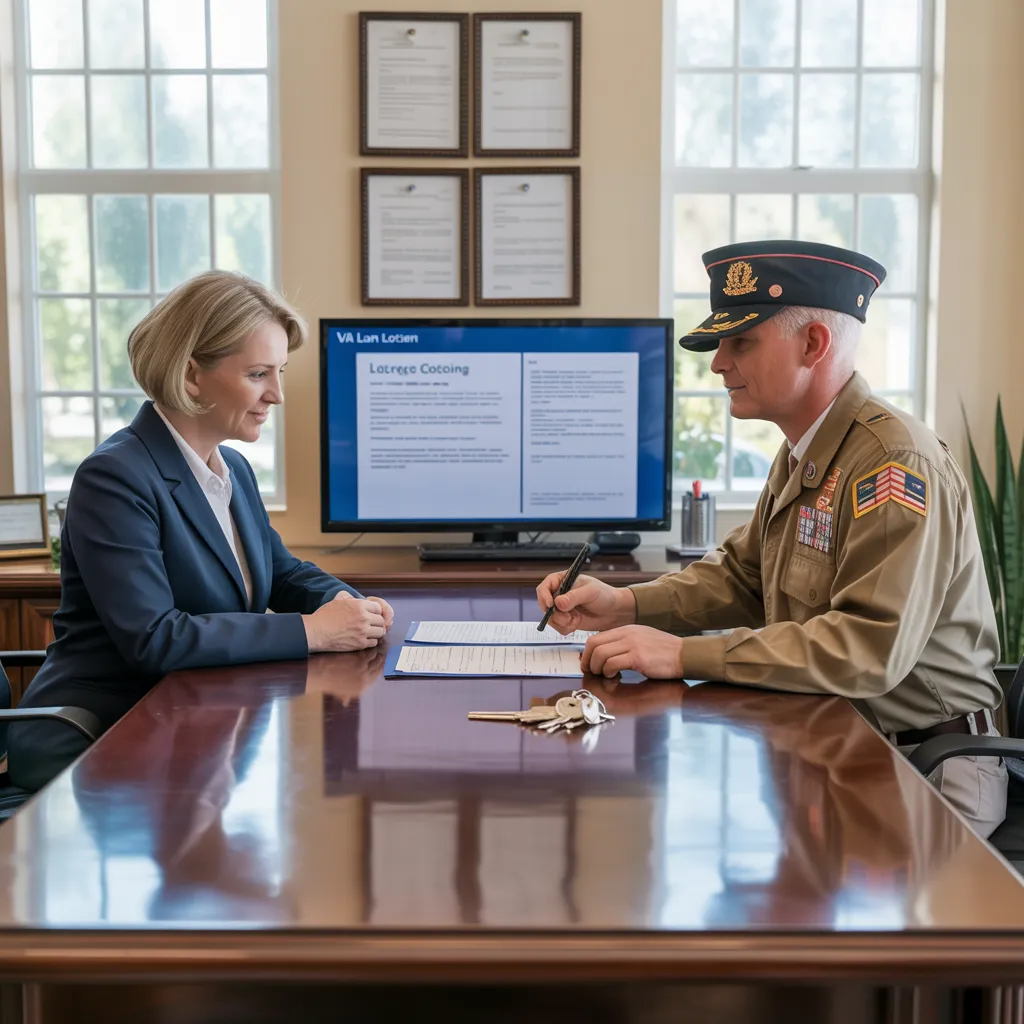
Exploring VA Loans: Advantages and Qualification Requirements
Comprehending description Veterans Affairs loans is essential for veterans and active-duty service members pursuing financial assistance for home purchases. These loans are supported by the U.S. Department of Veterans Affairs, offering exclusive advantages that cater specifically to individuals who have served in the armed forces. Qualification for VA loans typically requires a required service duration, as well as an discharge under honorable conditions.
Another important factor is the absence of a down payment requirement, which can considerably lessen the monetary strain for prospective homeowners. Additionally, VA loans do not require private mortgage insurance (PMI), substantially decreasing monthly costs. Borrowing rates for VA loans are typically reduced compared to standard loan options, making purchasing a home easier to achieve.
Moreover, veterans and service members are entitled to cost-effective closing fees, which are regulated by the VA. Grasping these key components empowers potential borrowers to fully utilize the perks that VA loans deliver.
Leading Advantages of VA Loans for Homebuyers
VA loan programs provide many notable perks for prospective home purchasers, rendering them a desirable solution. Notably, borrowers need no down payment with these loans, offer competitive interest rates, and maintain flexible credit requirements. These advantages can significantly simplify the homebuying process for eligible veterans and active-duty service members.
No Down Payment Required
For countless homebuyers, the notion of buying a home can be intimidating, especially when considering the financial burdens associated with a down payment. VA loans provide a notable benefit by eliminating the down payment requirement, rendering homeownership more attainable for veterans and eligible servicemembers. This distinctive benefit allows buyers to conserve their savings for other expenses, such as closing costs or home improvements. By eliminating the down payment requirement, VA loans not only lower the upfront financial obstacle but also empower veterans to enter the housing market sooner. As a result, this feature fosters stability and fosters a sense of community among veterans, ultimately enhancing their quality of life and benefiting the economy.
Competitive Interest Rates
One of the most notable aspects of VA loans is their competitive interest rates, which are often notably lower than those available through traditional financing. This benefit enables veterans and active-duty service members to realize substantial savings over the life of their mortgage. Lower interest rates translate into reduced monthly mortgage payments, making homeownership easier to attain and maintain. The favorable rates also reflect the government's backing of VA loans, which mitigates risk for lenders and encourages them to offer better terms. Therefore, this financial benefit not only increases the purchasing capability of eligible borrowers but also fosters sustained financial health. All things considered, competitive interest rates are an essential component that makes VA loans an attractive option for home purchasers.
Versatile Credit Standards
While many traditional loans impose strict credit score requirements, VA loans stand out for their adaptable credit requirements, positioning them as a compelling solution for those seeking homeownership. Such adaptability permits veterans and service members on active duty to obtain loans even when their credit histories are less than ideal. Lenders often consider the entire financial picture, including income stability and debt-to-income ratios, rather than solely focusing on credit scores. As a result, this method benefits numerous buyers who may otherwise feel shut out from traditional financing alternatives. Moreover, VA loans commonly waive the requirement for private mortgage insurance (PMI), reducing the overall financial strain. Ultimately, lenient credit standards broaden access, allowing a greater number of veterans and military families to realize their homeownership goals without being constrained by demanding credit benchmarks.
Zero Down Payment: What You Need to Know
Veterans along with active-duty military personnel who are looking to become homeowners can benefit from VA loans, which offer the significant benefit of no down payment necessary. This aspect differentiates VA loans from conventional mortgage options, which typically necessitate a substantial upfront payment. By eliminating the down payment, VA loans increase accessibility to homeownership, allowing veterans to allocate their savings toward other important needs, such as renovations or emergency funds.
Additionally, this zero-down-payment benefit can streamline the home purchasing process, facilitating quicker transactions with less financial burden. It also ensures that veterans are able to obtain a home without having to save up a substantial amount, which can be particularly beneficial for those making the transition back to civilian life. All in all, the lack of a down payment obligation is instrumental in supporting homeownership for those who have served the nation, rendering it one of the most valuable perks of VA loans.
Competitive Interest Rates for VA Loans: What Borrowers Can Anticipate
When evaluating VA loans, understanding the factors that influence interest rates is essential. Veterans can gain an advantage by reviewing multiple VA rate choices to secure the best possible terms. This awareness can lead to significant savings over the life of the loan.
Understanding Interest Rate Factors
Comprehending the several factors that influence interest rates is essential for individuals exploring a VA loan. Various aspects determine the attractive rates connected to these loans. Initially, the VA insures a portion of the loan, minimizing the lender's exposure and frequently leading to lower rates for borrowers. In addition, larger economic circumstances, such as inflation and the Federal Reserve's monetary policy, play a significant role in determining interest rates. Borrower credit ratings and loan values also influence the rates offered. Furthermore, the type of lender and market competition can lead to variations in interest rates. By recognizing these factors, service members and home purchasers can more effectively manage the mortgage market and obtain advantageous conditions for their VA loans.
Reviewing VA Rates Choices
The competitive interest rates associated with VA loans present an attractive option for eligible borrowers. Such rates frequently undercut those of traditional loans, making it easier for veterans and active-duty service members to achieve homeownership. When setting interest rates, lenders generally take into account several elements, such as the borrower's credit score and prevailing market conditions. In addition, VA loans eliminate the need for private mortgage insurance (PMI), which contributes to their overall affordability. Shopping around and comparing rates from various lenders can help borrowers secure the most advantageous terms. Beyond the interest rate, borrowers should carefully assess any associated closing costs and fees. Ultimately, the financial advantages of VA loans empower service members to obtain homes affordably while fostering long-term economic well-being.
Reasons You Can Avoid Private Mortgage Insurance
While many homebuyers face the additional burden of private mortgage insurance (PMI) due to low down payments, veterans and active-duty service members benefit from VA loans, which eliminate this cost. This considerable perk permits eligible borrowers to save on monthly costs, making homeownership a more realistic financial goal. PMI typically adds to monthly mortgage payments, increasing the overall cost of homeownership. By eliminating this obligation, VA loans allow veterans to put more money into their homes or allocate funds to other critical needs, such as education or savings.
Furthermore, the lack of PMI demonstrates the government's commitment to assisting those who have served their country. This feature not only alleviates the financial burden but also increases access to homeownership for numerous veterans and active-duty personnel. Ultimately, the exemption from PMI stands as an vital benefit, strengthening the widespread desirability of VA loans in the real estate market.

Steps to Successfully Apply for a VA Loan
Steering through the VA loan application process can be manageable with the right guidance available. To begin, potential borrowers must obtain a Certificate of Eligibility (COE), which verifies their military service and qualification for VA benefits. This can be done online through the VA's website or via a lender.
Subsequently, borrowers should assemble necessary materials, including income verification, tax records, and credit background. A solid credit score, even if not obligatory, can enhance your loan conditions.
Opting for a VA-approved lender is essential; these experts have thorough knowledge of the particular criteria of VA loans. After choosing a lender, the process of applying begins, involving the submission of documents and a credit evaluation.
Upon the underwriting and approval process, borrowers can finalize the purchase of their new home, making the most of the exceptional advantages that VA loans provide, such as no required down payment and competitive interest rates.
Frequently Asked Questions
Can I Use a VA Loan for Investment Properties?
VA loans cannot be used for investment properties. They are intended exclusively for primary residences, permitting veterans and active-duty service members to achieve favorable terms for homes they will occupy as their main dwelling.
What Are the Consequences of Defaulting on a VA Loan?
Should a borrower fail to repay a VA loan, the lender can begin foreclosure proceedings. The VA may offer support, however the borrower's credit score will be negatively affected, which will considerably limit future borrowing opportunities.
Are VA Loans Able to Be Passed to Another Person
VA loans are commonly assignable to a different borrower, but certain requirements must be met. The receiving borrower must be eligible for the loan, and the existing borrower may remain liable for the loan until it is fully assumed.
How Long Does It Take to Get VA Loan Approval?
The VA home loan approval process usually takes anywhere from 30 to 45 days. Factors such as complete documentation, lender efficiency, and individual borrower situations can impact the timeline, which can potentially extend the overall approval period beyond this typical range.
Can My Existing Mortgage Be Refinanced Using a VA Loan?
Absolutely, borrowers can obtain refinancing on their existing mortgage with a VA loan. This benefit, known as the IRRRL (IRRRL), permits veterans to access improved terms and decreased interest rates on their home loans.